
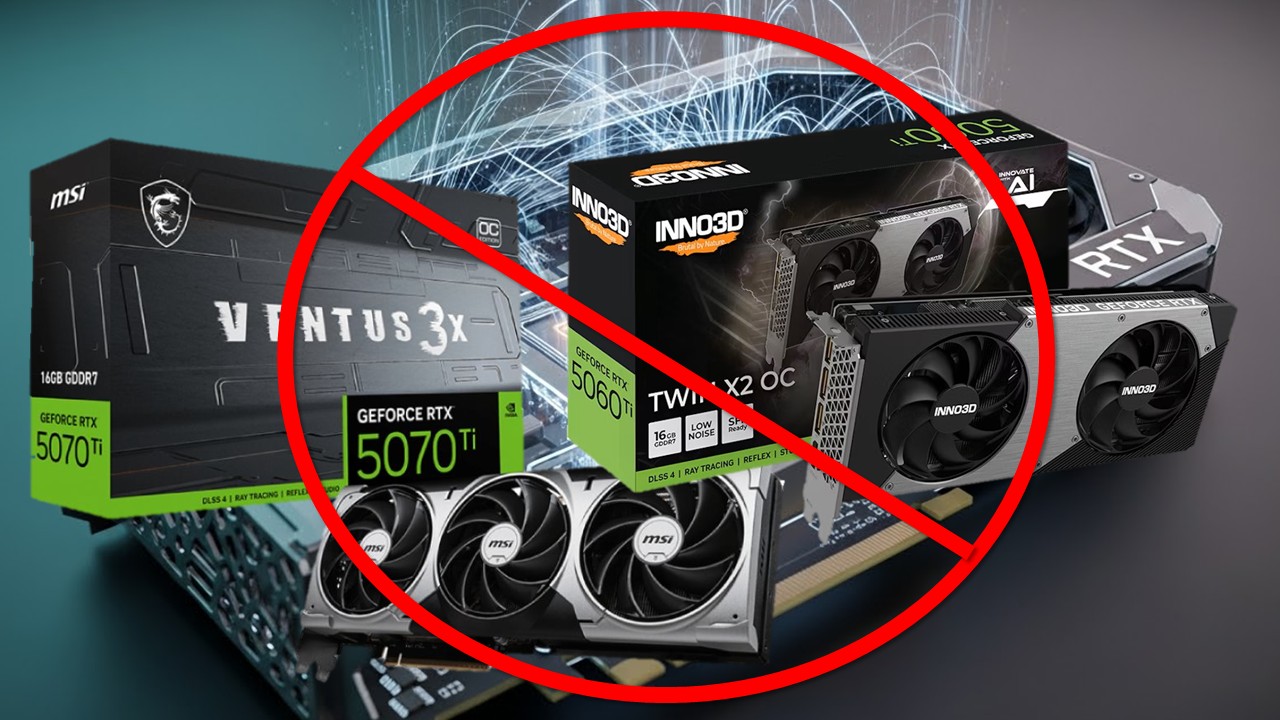
Has Nvidia Discontinued the RTX 5070 Ti/ RTX 5060 Ti?
Share the Story:
Ram Raided
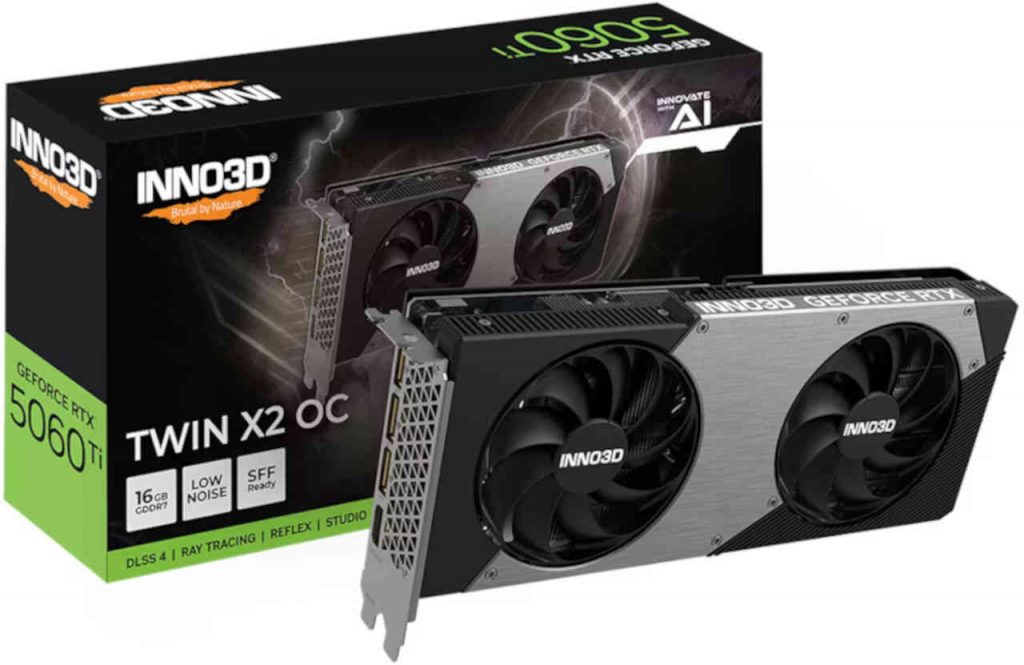
The Technology press have gone wild in the past 24hrs on the back of HardwareUnboxed latest video which stated that Nvidia have Discontinued both 16GB varients of their RTX 5070 and RTX 5060 cards, see the Ti brand (RTX 5070 is 12GB and RTX 5060 is 8GB). Now, on face value this seems crazy for a range of cards, less than 12 months old, however with Ai being the consumer of all things PR, Memory and sales related of late, we do have a thread to pull at (but more on that later). Taking the statement and information from HardwareUnboxed, they have used a request for review units from Asus (The biggest Nvidia GPU AIB Partner) which was met with a PR reply that is quoted approximately below based on that video.
This model (RTX 5070 Ti) is currently facing supply shortage, as such has been placed into End of Life (EoL) status.
The video then continues to ascertain that the RTX 5060 Ti is also end of life based on the same Asus PR contact and feedback, however, the information here seems to be a mix of extrapolation from the RTX 5070 Ti response and possibly assumptions from the Nvida Rep, Hardware Unboxed themselves, or both. And infact, only a few hours after the video went up, Asus all but retracted the entire statement and advised this was nothing more that a supply chain issue entirely and not an EoL statement, or was it?
Supply and AI Demand explained
Then why is this happening then? Well, in Hardware Unboxed defense, the data does point to it being connected to the GDDR7 Ram modules used in both cards. The well known Ai memory demands for the High Bandwidth Memory(HBM3E) stacked Ram that the Nvidia GB200 NVL72 Ai Rack Server demands. Which comprises of 36 GB200 (each contain 2x Blackwell GPUs, 1 CPU) and this can comsume up to 17TB’s LPDDR5X Ram (1088 x 5070 Ti’s), which is coming from only 3 sources of suppliers (Samsung, Micron, and SK Hynix) and these are the same Ram modules as required for all of Nvidia’s Blackwell cards (be they consumer AIB cards or servers). The fact that business, specifically large scale global enterprises such as Nvidia, AMD, IBM, Microsoft, Google…., prefer Business to Business (B2B) rather then Business to Consumer (B2C) sales. And the margins, scale of purchase, payment terms, and revenue stream make this far and away, the best bottom line booster for a shareholder driven company (and even a private one to be honest).
The problem is as old as time, supply and demand, and currently the memory (suppliers) and Nvidia/DC’s (consumers) will prefer the high supply, direct payment and ease of B2B approach over a extrapolated B2B2B2C that the AIB business requires. The issue is, almost certainly, connected to the crazy growth since last year of Data Center demand and the absurb level of uptake and installation that is happening from Microsoft, Amazon, Google, Meta, xAi and others to supply the “non existsent” demand for Ai that they are trying to create/find. But, also, is a timing issue, one driven by a common problem in corporate business that I have worked in for the past Four decades almost, market driven pivots. Large scale logistics pipelines, manufacture, distribution, and BoM assembly, is more like a freight ship than a sports car. It does not move quickly, it cannot change direction with any urgency, and {most importantly} any change can be hugely expensive across many areas to big for this high level view. The answer then comes in making strategic decisions that mitigate the cost, maintain or increase the profit, and strategicly manage the fallout, and that is where we are now.
Loose Lips Sink Ships
Taking the above into context with some real-world, business side delivery knowledge, this looks to be a classic case of robbing Peter to pay Paul. Nvidia, and more so the memory suppliers, have seen an opportunity (or forced one) to mitigate loss of revenue in the slowing gaming market and instead focus on the growing (wanted or not) Ai/PaaS/SaaS/IaaS market instead. And this has meant securing as much of the ‘In the pipe’ stock of Ram they can muster, and most likely redirecting supply from AIBs to the DC market. And when these decisions are made high up the chain, the middle management, logistics, supply, sales, and PR teams have to react and course correct as quickly as possible (see tanker ship reference above). And this means mixed messages, filling in the blanks, internal strategic planning and risk meetings, urgent memos and plans being updated on a consistent basis. The issue will likely last for the next two Qtr’s, maybe three, until the balance is restored on the redirection of components within the supply chain. And as GPU sales of the higher end cards are not breaking records, even as of now you can pick up both the RTX 5070 Ti and 5060 Ti for below, close to list price in the UK at SCAN, OverClockers, Amazon among others. Highlighting the fact retail has stock within its Inventory as of now that can be purchased, (as of this articles publish on the 16th January 2026) without any issues or overtly inflated prices. However, all this stock was assembled, shipped and most importantly, paid for over 12 months ago or more within the important BoM aspect that AIBs have for their cards.
Now that the demand for those same Ram modules has rocketed, the price for each has also gone up. Now the question remains for Nividia (AMD also) whether they either,
- Raise the Price of the cards to balance the cost – Already a risky approach if current stock and pricing levels are bad enough to remain on shelves.
- Redirect the supply to the market that can swallow the passthrough cost with ease, maintaining cashflow, revenue, and those vital Shareholder dividend payments.
Once you apply the financial logic, the answer is simple to see, as any business will react to the only two main methods of Inventory and Sale there is, Stack it High & Sell it Low OR Sell it High and Stack it Low. This is one of those rare occassions, like the prior Crypto boom, where that Holy Grail 3rd option presents itself, do both! And that is what is happening here and will continue to happen until the supply chain course corrects by itself (improved process, supply, increased manafacture, etc) or the Ai supply drops down to more manageable levels ( Over supply in chain, Op cost exceeded, lack of To market pickup etc). And what we see is everyone managing expectations in a vacuum, with little to no information, but a great deal of half truths and stalling info being fed into the tech press. And once this one story came out, everyone piled on it with their take on what is happening.
The fact is, this is nothing more than a high focus market being put under the spotlight, one that already makes astronomical profits, yet again trying to make even more no matter the cost or optics. But this is capitalism, globalism and business focus 1o1, the fact is that all parties have simply taken the path any company would in this situation. The main issue (not for this article but another) is the who, why and what is creating this demand as the view from my informed professional opinion is, the markets (Both corporate and consumer) does not require such a drastic ramp up in DC infrastructure to support this shift. But that is a conversation for another time, as of now I expect the supply chain to slowly reduce on the higher end 16GB cards (not just the TI range) throughout 2026 as the pipeline of inventory is cleaned out. And if the landscape looks bleak ahead beyond that, we may see new models come with 12-16GB varients, and even different memory options if AIBs can source their own supplies, at price ranges to test the waters of the gaming market in the future. But right now maybe the best time to snap up one of these cards while the stock is still on the shelves.



Pingback: PS5 Price April Price Increase, is now the time to buy? - Binary Dinosaur